





Livro Área 91
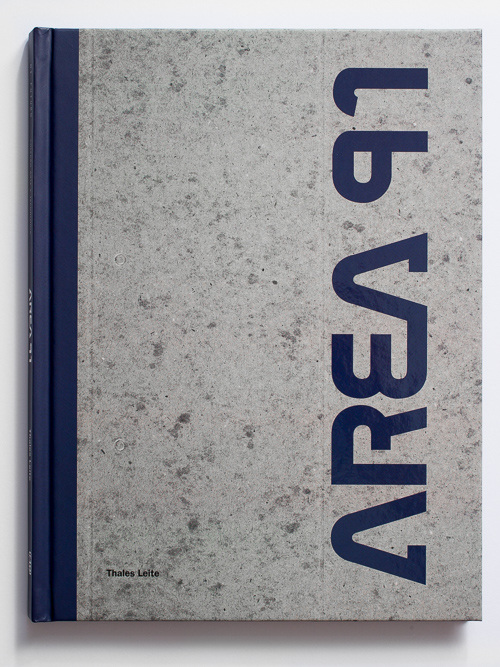
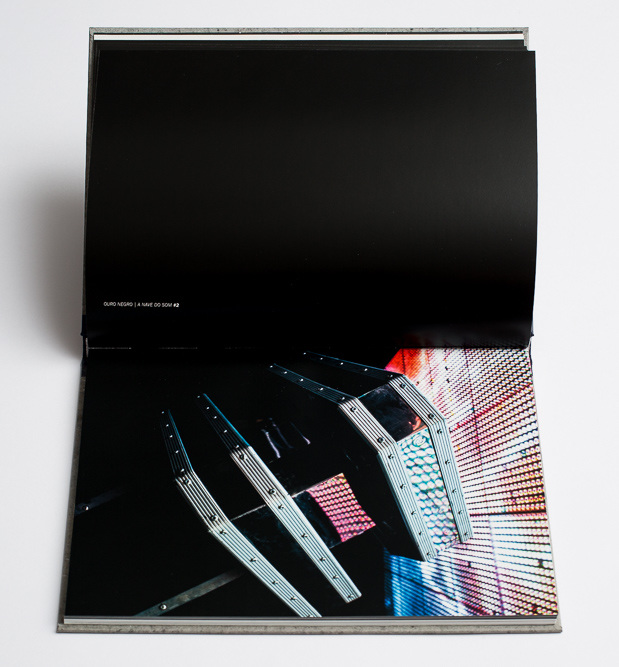
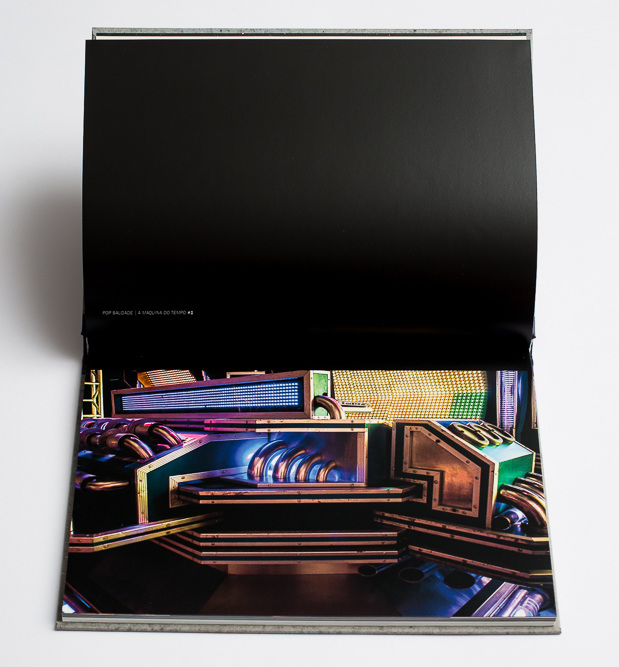
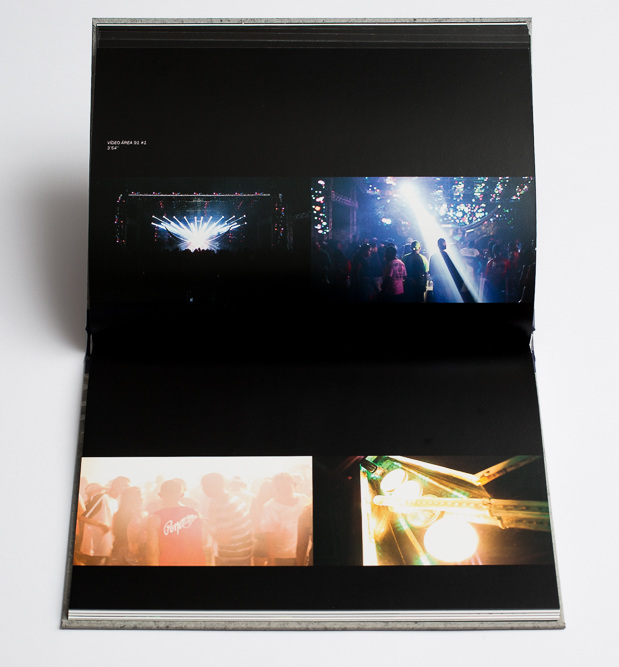
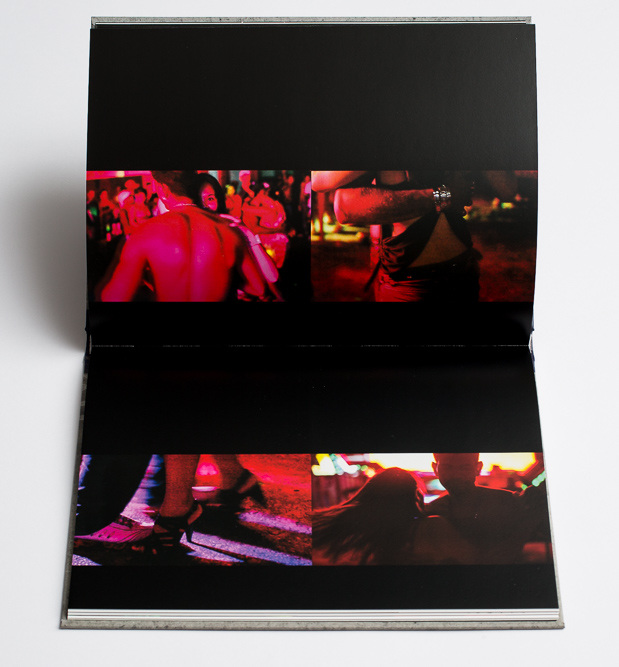
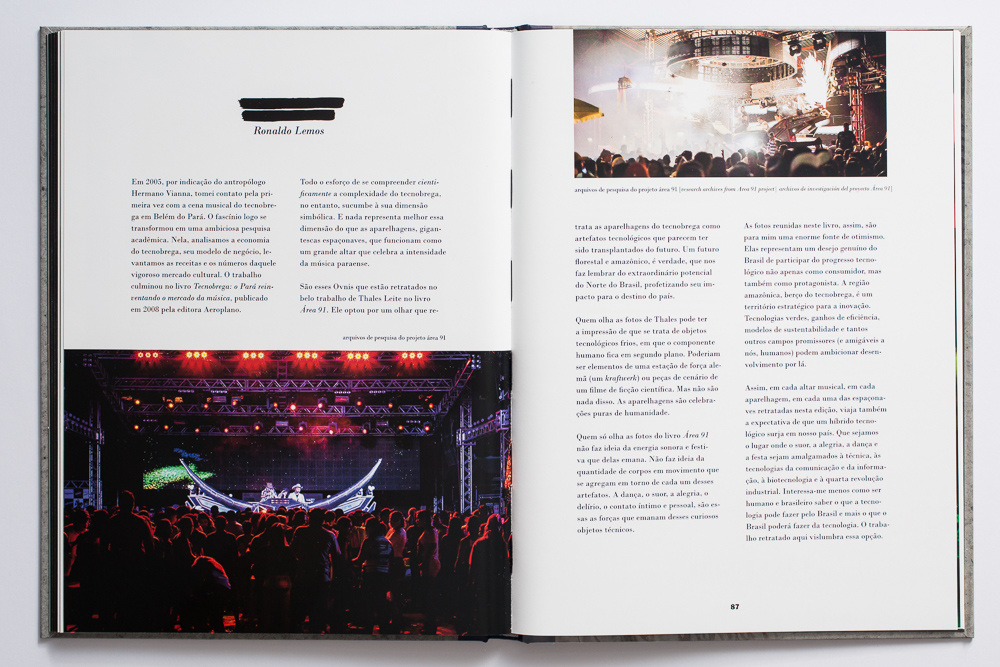
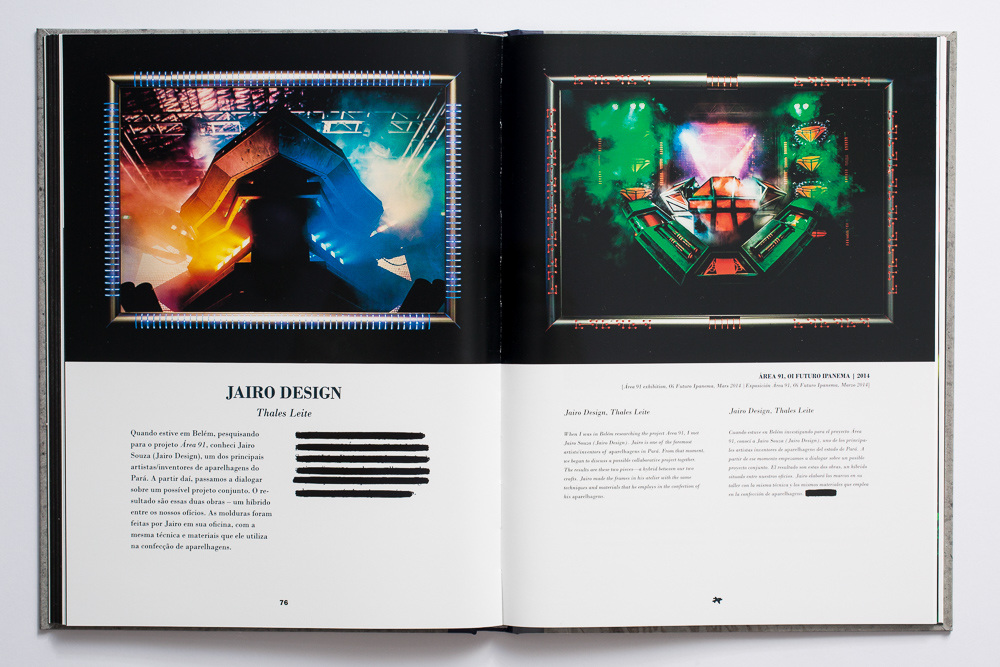
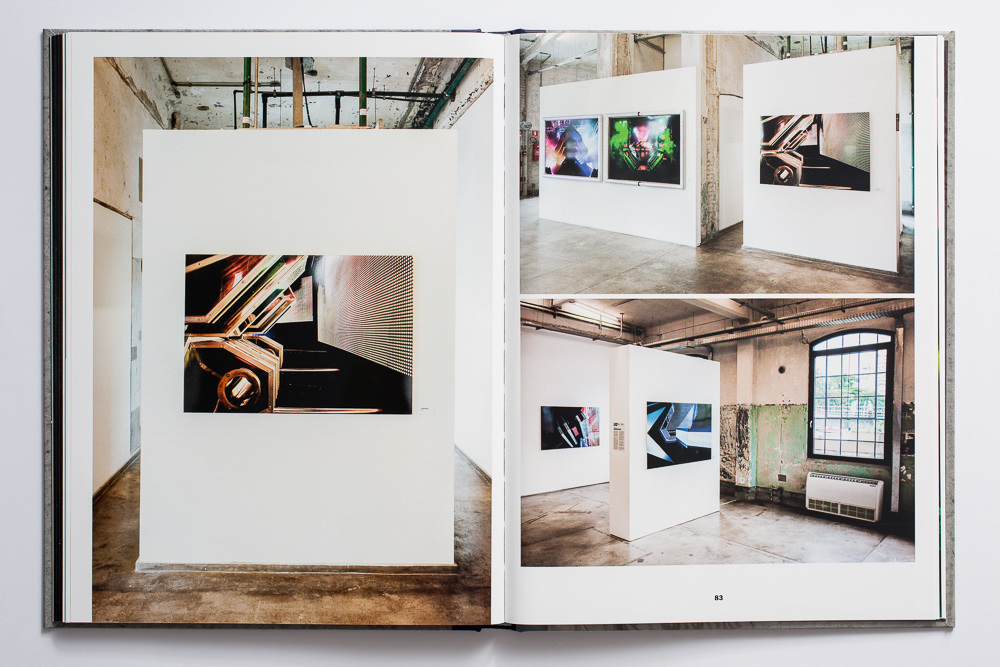
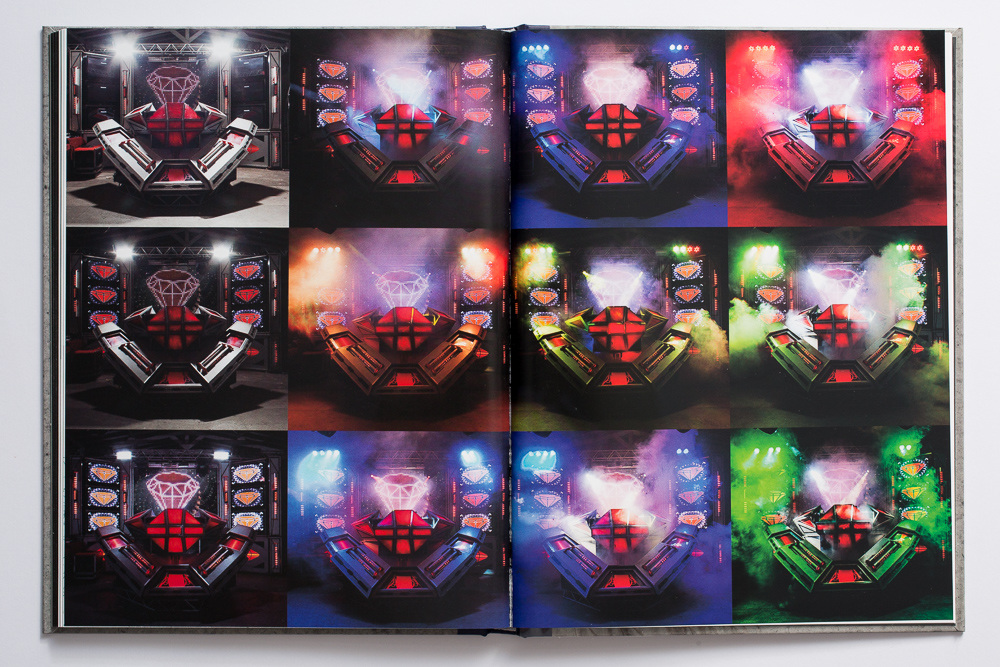
O projeto Área 91 é um ensaio investigativo ficcional sobre naves espaciais alienígenas que se transformam em uma atração musical capaz de reunir mais de 10 mil pessoas todas as noites em Belém do Pará.
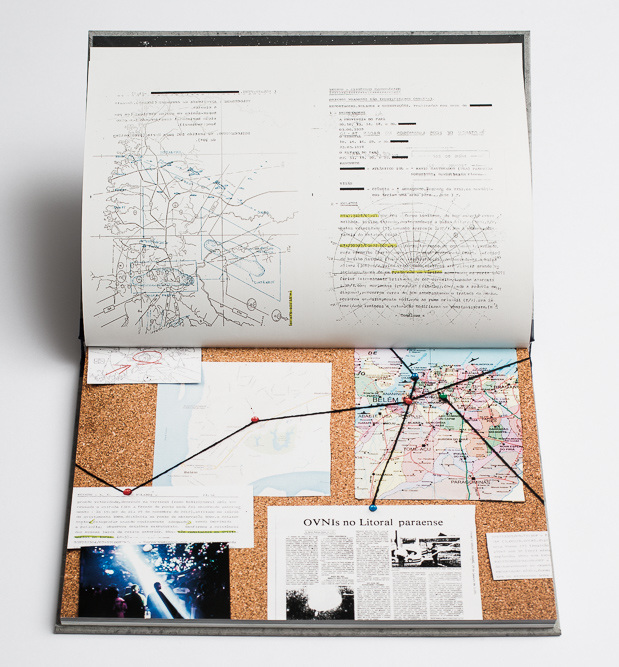
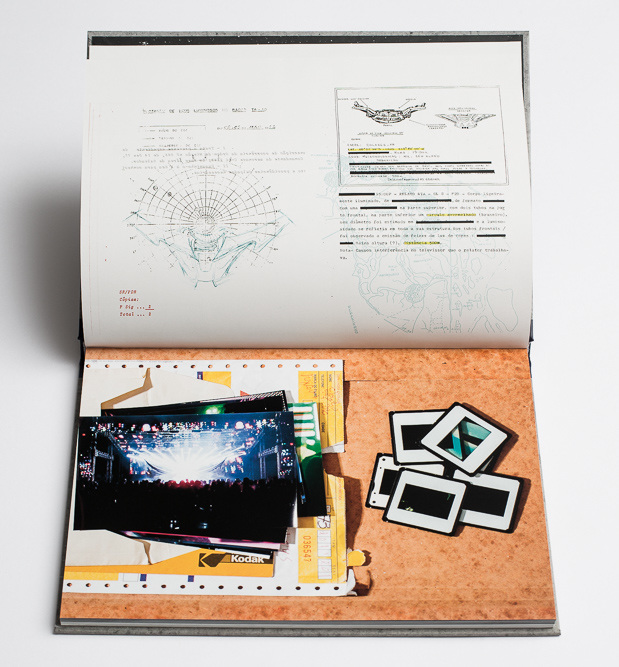
Durante a pesquisa para transformar o projeto em livro, encontrei, no Arquivo Nacional, diversos relatos militares de avistamentos de OVNIs, presentes em documentos secretos tornados públicos pela Lei de Acesso à Informação de 2013. Um dos mais impressionantes é um dossiê que descreve uma suposta incursão militar para estabelecer contato, conhecida como “Operação Prato”, ocorrida na década de 80 no município de Colares, próximo de Belém.
Inspirados por esses relatos e pela estética militar dos documentos, criamos também um dossiê sobre o projeto Área 91.
Quando digo “criamos”, no plural, refiro-me a todas as pessoas que contribuíram para essa longa jornada editorial. Embora estejam devidamente mencionadas nos agradecimentos, é importante destacar que o livro Área 91 teve o privilégio de reunir textos de intelectuais, artistas e pensadores que refletem sobre a arte contemporânea e a cena musical de Belém.
Espero, assim, ter construído mais um predicado e uma nova perspectiva sobre um movimento musical e cultural que, apesar de ter mais de 50 anos, ainda permanece pouco conhecido, até mesmo no Brasil.
Area 91 Book
The Area 91 project is a fictional investigative essay about alien spacecraft that transform into a musical attraction capable of bringing together more than 10,000 people every night in Belém do Pará.
During the research to turn the project into a book, I came across, in the National Archives of Brazil, various military reports of UFO sightings, found in secret documents made public by the Freedom of Information Act of 2013. One of the most striking is a dossier describing a supposed military incursion to establish contact, known as "Operation Saucer" (Operação Prato), which took place in the 1980s in the municipality of Colares, near Belém.
Inspired by these reports and the military aesthetic of the documents, we also created a dossier about the Area 91 project.
When I say "we" (plural), I am referring to all the people who contributed to this long editorial journey. Although they are duly mentioned in the acknowledgements, it is important to highlight that the book Area 91 had the privilege of bringing together texts by intellectuals, artists, and thinkers who reflect on contemporary art and the music scene of Belém.
I hope, in doing so, to have built another predicate and a new perspective on a musical and cultural movement that, despite being over 50 years old, remains little known, even in Brazil.